Six Chapters, Zero Filler
Each section distills current evidence into clear, applicable takeaways — written for readers who value substance over hype.

The Biology of Aging Well
How cellular repair, inflammation markers, and metabolic flexibility shape your trajectory after 50 — and which interventions have the strongest evidence behind them.
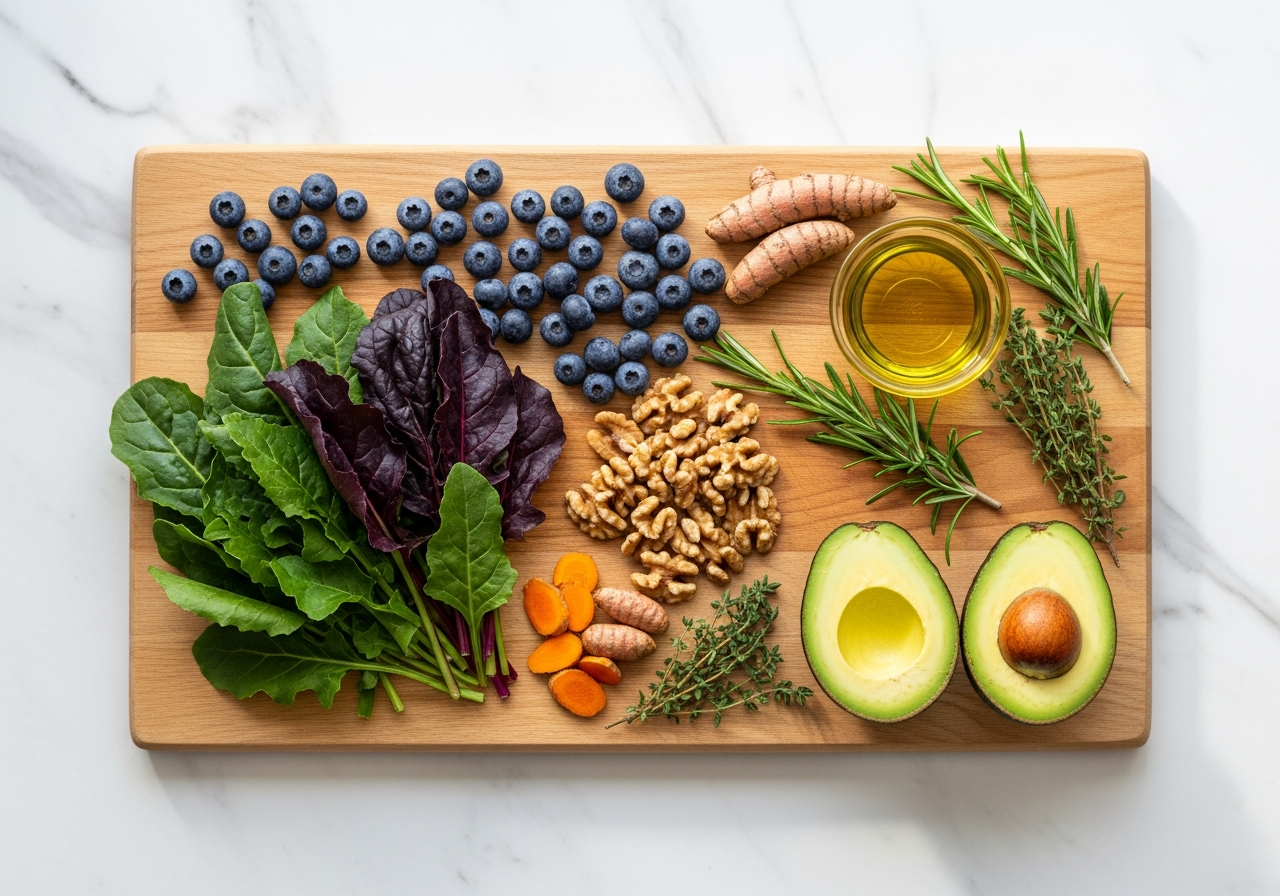
Nutrition Beyond the Headlines
The actual dietary patterns linked to longer health spans — not supplement trends or fad protocols. We examine Mediterranean, MIND, and anti-inflammatory approaches side by side.

Movement That Matters
Why resistance training outperforms cardio for adults over 50, the minimum effective dose for bone density, and what gait speed reveals about long-term health outcomes.

Cognitive Resilience
The connection between sleep architecture, social engagement, and sustained cognitive function — plus the specific daily habits researchers keep finding in high-functioning older adults.

Screening Timelines That Count
An evidence-based screening calendar for adults 50 and older — covering the tests worth scheduling, when to repeat them, and which popular screens have weaker support than commonly believed.

Your Personal Framework
A structured self-assessment and goal-setting framework that ties together every chapter — designed so you can prioritize the two or three changes most likely to make a measurable difference in your next decade.